
Exploring Taormina's History
The most imposing building in Taormina is the Teatro Greco. Although the name means Greek Theatre, the building dates back to the Roman period in the 2nd century BC. However, the Romans built the theatre on an older Greek theatre, which was used for theatrical performances. The Romans held gladiator and animal fights in the Teatro Greco. The Antiquarium, housing an archaeological museum, stands next to the Teatro. Another Roman theatre is the smaller Odeon, dating back to the Roman Imperial period (27 BC to 284 AD). The aristocratic palaces in the old town are worth seeing. Palazzo Corvaja is one of the oldest palaces, dating back to the 11th century and has an Arab-Byzantine-Norman style. Palazzo Duchi di Santo Stefano dates back to the 14th century and is characterized by elements of Sicilian Romanesque and Gothic style. Book a holiday home, apartment, or villa by the beach according to your personal preferences in the best location and visit numerous sights on the east coast. Countless possibilities for a relaxing and peaceful trip await you!
Between Historic Old Town and Fine Sandy Beaches
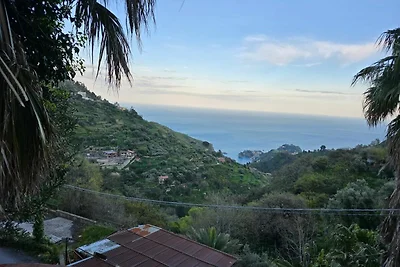
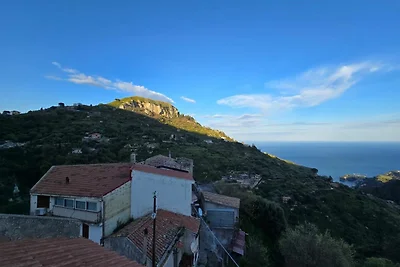
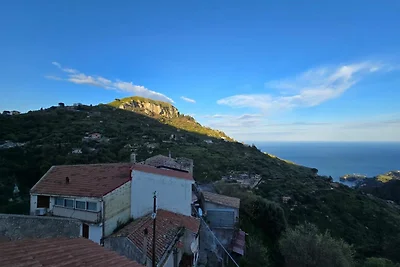
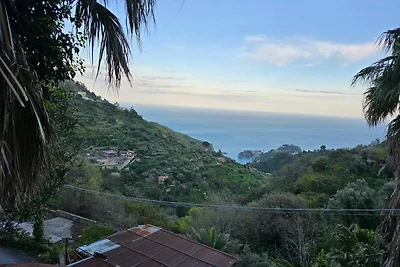
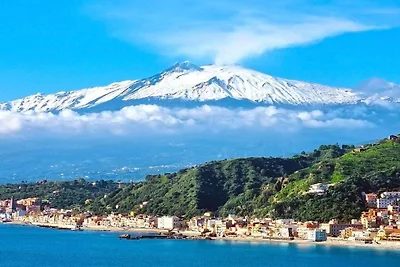
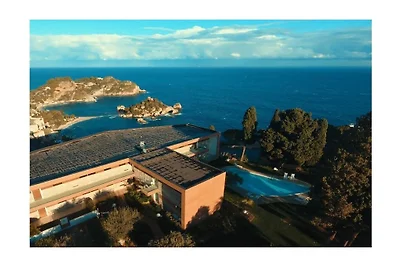
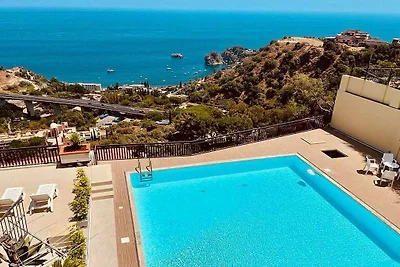
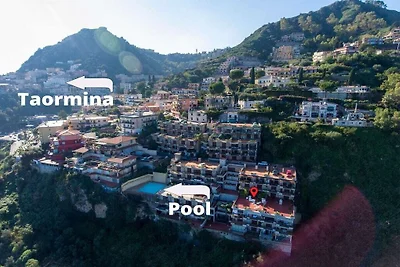
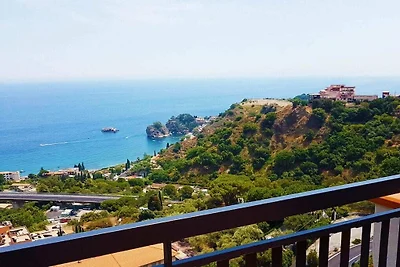
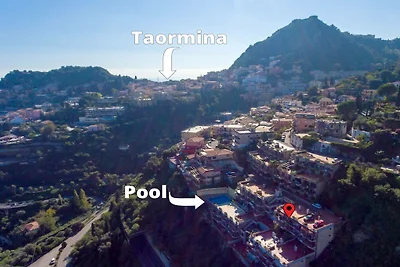
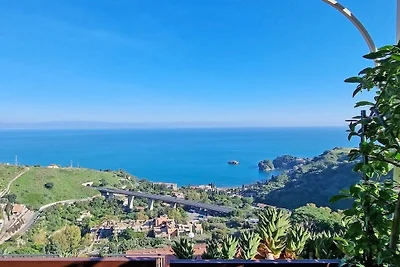
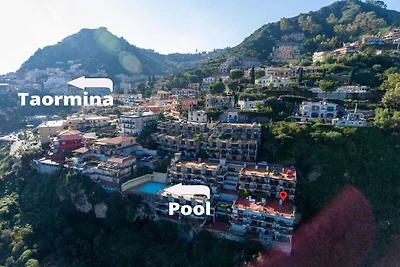
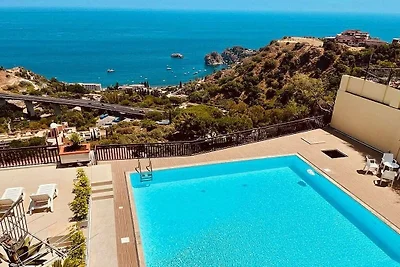
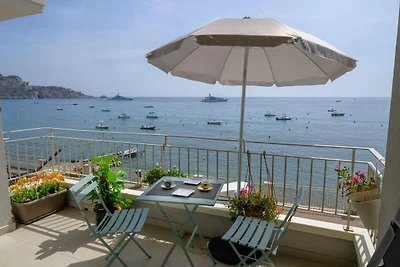
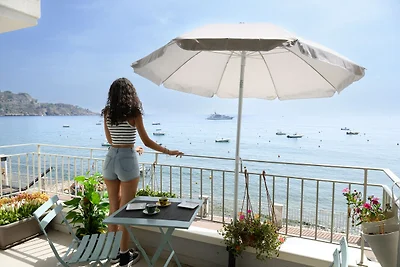
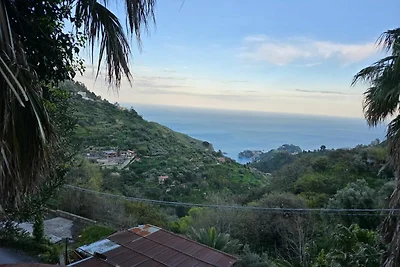
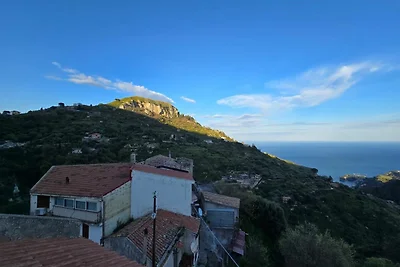
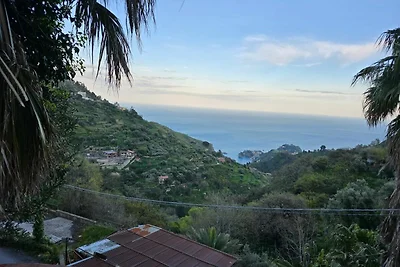
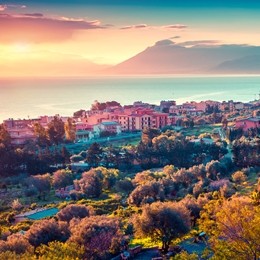
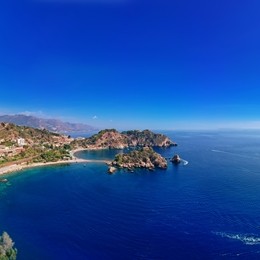
The historic center of Taormina is situated 200 meters above the Mediterranean Sea on a terrace of Monte Tauro. Even before the Greeks arrived in southern Italy in the 4th century BC, the area at the foot of Mount Etna was inhabited. The town was refounded in the Middle Ages after an invasion by the Moors. The ancient theater, offering a breathtaking view of the volcano and the Gulf of Giardini-Naxos with the small island of Isola Bella, is famous. A cable car leads up from the coast into the old town. Two beaches with landing stages for excursion boats that sail to the neighboring towns of Letojanni and Giardini-Naxos are located below. Isola Bella is a nature reserve, connected to the mainland by a sandbank. Colorful Carnival parades in February and the feast of the patron saint San Pancrazio on July 9th bring life to the town.
Mare, monte e vino – Culinary Sicily
Sicily is considered the birthplace of ice cream. However, even more than ice cream, pasta is eaten in Sicily. Over 100 kg per capita per year is quite impressive, even by Italian standards. A perfect impression of the taste of the island can be gained from a pasta dish with grilled wild vegetables – rocket, dandelion, fennel, and artichokes – seasoned with fresh basil and sun-ripened tomatoes. Pasta is often served as a primo piatto (appetizer). The range of main courses (secondo piatto) is huge, including grilled vegetables, grilled or braised meat (lamb, rabbit, chicken), pork sausages with fennel seeds, fish, and seafood. The Strait of Messina is famous for its swordfish catch. The meat is lean and firm and can be grilled wonderfully over pine wood fire. More affordable than swordfish are sardines, which are deboned, rolled into roulades, and fried, seasoned with Pecorino, breadcrumbs, parsley, and anchovies. The excellent wine from Sicily should not go unmentioned. The most famous is Nero D'Avola, also called Sicilian Prince. Nerello grows on the volcanic slopes of Mount Etna, loved by aficionados of characterful wines. The white Etna bianco is made from the Carricante grape variety.
The East of Sicily – In the Shadow of the Volcano
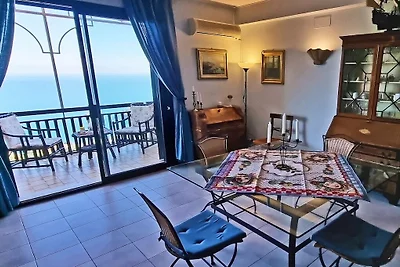
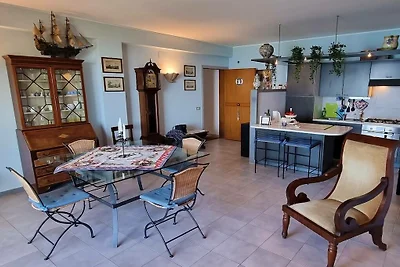
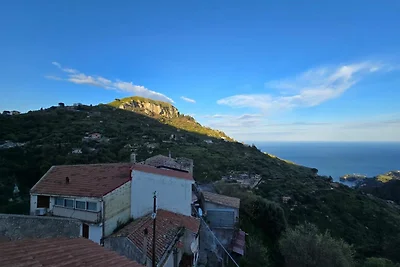
The historic town of Taormina is located between Messina and Catania on the Ionian Sea in eastern Sicily. About 40 kilometers southwest, Mount Etna rises more than 3,300 meters into the blue sky. You can reach your private holiday apartment via Fontanarossa Airport in Catania. If you travel by car to your holiday accommodation, take the ferry from the Italian mainland to Messina. Book a beachfront apartment or accommodation according to your personal preferences on the east coast in the best location and visit numerous sights in the surrounding area. Spend a relaxing break here away from your stress-free everyday life!